Designing the Ideal Personalized Fresh Boxes: A Progressive Guide
Constructing custom produce boxes requires a strategic approach. Experts must evaluate sustainability, functionality, and visual appeal. Choosing the appropriate components is essential for maintaining quality and supporting environmentally conscious practices. Additionally, size and shape can greatly impact usability and shipping effectiveness. Compelling graphics strengthen brand identity, while thorough testing ensures strength. Understanding these elements will uncover vital knowledge into creating remarkable packaging approaches that resonate to customers. What comes next is fundamental to achieving those targets.
Determining the Best Materials for Custom Produce Boxes
When picking materials for custom produce boxes, it is critical to assess both operational performance and environmental impact. The decision of material considerably affects the explanation box's durability, weight, and ability to protect the contents. Common materials feature corrugated cardboard, which provides strength and is able to be recycled, making it a preferred choice for sustainability-focused businesses. Decomposable options, such as molded pulp or plant-based plastics, also support eco-friendly practices while offering adequate protection for delicate produce.
Moreover, moisture resistance is necessary for maintaining freshness, driving some vendors to assess enhanced substances or specialized coatings. The aesthetic appeal of the box cannot be dismissed, since branding and visual presentation can shape buyer perspective. Ultimately, the best option should equilibrate between protecting the produce, appealing to customers, and adhering to environmental standards, ensuring both functionality and sustainability are prioritized within the design process.
How to Pick Size and Shape for Performance?
When opting for the size and shape of custom produce boxes, thorough evaluation of produce measurements is crucial for effective storage. Additionally, attention to handling and transport can affect the box structure, ensuring ease of movement. Optimizing shelf space usage further improves functionality, allowing for effective presentation and organization.
Examine Produce Dimensions Carefully
Picking the ideal proportions and form for fruit containers is required for operational success. Meticulous examination of produce size is paramount, as it confirms that items fit snugly without excess room that might cause damage during shipment and storage. Purpose-built boxes need to accommodate diverse configurations, from delicate berries to substantial vegetables, while upholding strength. Moreover, the height and width of the boxes should facilitate layered storage and organization, utilizing space in storage locations. A skillfully made box not only guards the produce but also elevates attractiveness for purchasers. In conclusion, deliberate measurement analysis of dimensions contributes to curtailing losses and boosting overall user experience in the distribution chain.
Review Handling and Transport Practices
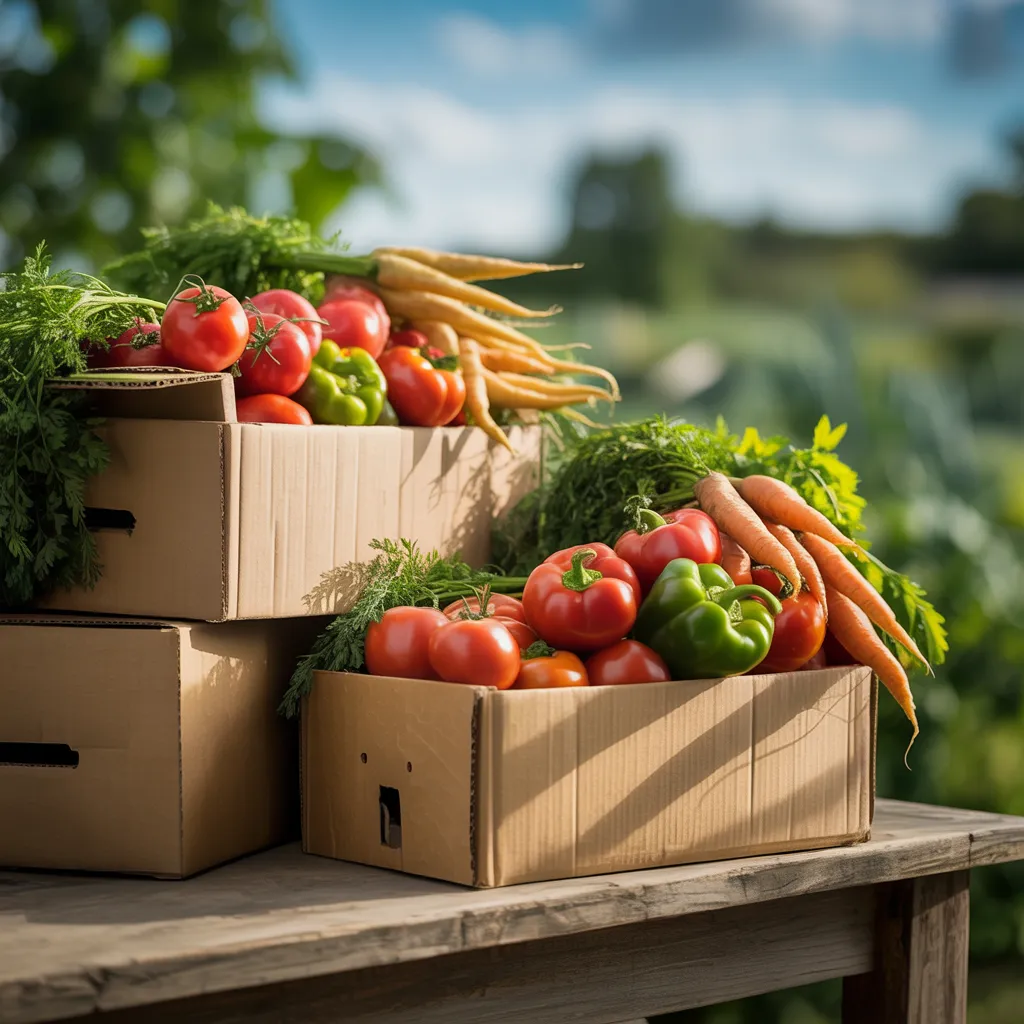
Handling and delivery aspects have a major role in determining the right size and shape of bespoke agricultural boxes. The dimensions must contain the items with no excessive area, that could cause movement and harm in transport. Smaller, compact boxes facilitate simpler handling, while larger boxes may be necessary to handle larger products. Also, thoughtful design remains important; grip points or access should be deliberately situated in order to allow for easy lifting plus carrying. The shape relating to the container also affects stacking and stability, guaranteeing that goods remain secure. Ultimately, careful consideration of such components enhances the efficiency of shipping, minimizes item loss, while supports the overall soundness of the fresh goods from field to consumer.
Improve Retail Space Management
Proper shelving management comes down to selecting the best size and shape of bespoke vegetable packaging. Teams should review the proportions of the shelving units as well as the types of produce being stored. Box-shaped boxes often promote efficient use of space, facilitating for better stacking and alignment. Yet, varied forms can amplify attractive appearance but may produce excess space if not well planned.
It's important to examine the inventory turnover rate; quick-moving products might leverage smaller, conveniently positioned containers. In addition, applying adaptable or modular frameworks can support multiple sizes of produce while enhancing shelf arrangement. By focusing on functionality and aesthetic value, enterprises can construct a practical and eye-catching presentation that improves both ease of access and product prominence.
How to Build Artwork That Command Notice?
Compelling artwork can reshape a simple custom produce box into a beautiful showcase that attracts attention. To achieve this, designers should start by selecting a color combination that conveys the freshness and vibrancy of the produce. Luminous, eye-catching colors can evoke impressions of freshness and health, motivating consumers to take a closer look.
Using strong typefaces is also essential; readable typefaces can successfully convey key details while improving visual appeal. Furthermore, using premium photographs of the produce can create an immediate connection, showcasing the item's excellence and enticing prospective customers.
In addition, integrating unique patterns or illustrations can assist in distinguishing the brand in a crowded market. Consistency in visual aspects, such as logos and taglines, reinforces brand identity. Ultimately, a blend of creativity and clarity in visual design can greatly elevate the influence of custom produce boxes, helping them become distinctive on shelves.
Eco-Friendly Practices for Custom Produce Box Packaging
A surging number of businesses are adopting eco-friendly practices for custom produce box packaging, recognizing its relevance in today's environmentally conscious market. These protocols often incorporate the use of degradable materials, such as recycled paper and plant-based plastics, which minimize environmental impact. Companies are also focusing on sustainable sourcing, ensuring that materials are obtained from responsibly managed forests or suppliers who prioritize environmental stewardship.
Additionally, many brands are selecting simple designs that decrease waste while still effectively showcasing their products. This strategy not only appeals to eco-conscious consumers but also aids in lowering production costs. Moreover, businesses are progressively adopting streamlined manufacturing processes that limit energy consumption and waste generation. By incorporating these eco-friendly practices, companies not only enhance their brand image but also contribute positively to the planet, aligning their operations with a sustainable future.
Verify Your Custom Produce Box Configuration
Testing the design of custom produce boxes is an crucial step in guaranteeing they meet both aesthetic and functional requirements. This process typically includes assessing elements such as strength, dimensions, and usability. First, prototypes must be developed to assess the container's physical stability, making certain it can endure transportation and storage without compromising the contents.
Afterwards, performance tests can be done to ascertain how readily the boxes can be accessed, latched, and stacked. Opinions from intended users can be crucial in this phase, revealing viewpoints into the box's practicality.
Additionally, the design's visual appeal should be examined through surveys or focus group sessions, gauging consumer feedback to branding elements, colors, and total visual presentation.
Ultimately, thorough evaluation enables designers to refine the box, guaranteeing it not only attracts customers but also effectively protects and presents the produce within, striking the right balance between form and function.
Advertising Your Bespoke Produce Boxes Effectively
Effective marketing of personalized produce boxes requires a strategic approach that underscores their distinctive advantages and value. Businesses must prioritize identifying their target audience, including local farms, grocery stores, or individual consumers. Utilizing social media platforms can enhance market visibility, presenting the boxes' appearance and functionality through compelling visuals and storytelling.
Moreover, partnering with community figures and agricultural experts can improve credibility and expand reach. Providing special deals or reduced prices during seasonal peaks can draw initial buyers and promote repeat business.
Furthermore, promoting sustainability and eco-friendliness in marketing materials can appeal to environmentally conscious consumers. Communicating detailed information about the materials used and the advantages of bespoke packaging designs can better establish the product in a competitive market.
Ultimately, a comprehensive advertising plan that blends web-based and community-based efforts will successfully promote custom produce boxes, attracting a heterogeneous clientele and generating sales.
Popular Inquiries Posed Regularly
What Are the Fees Linked to Custom Produce Box Design?
Costs related to custom produce box design feature materials needed, print production, labor, and shipping. Also, design services and minimum order quantities can determine overall expenses, bringing about different pricing structures based on unique needs and production size.
What Period Is Needed to Produce Custom Boxes?
Manufacturing of custom boxes generally requires two to six weeks. Key factors shaping this schedule involve design intricacy, materials availability, and manufacturing output, all of which can influence delivery schedules and delivery windows.
Can I Purchase a Small Amount of Personalized Produce Boxes?
Yes, modest quantities of personalized fruit and vegetable boxes can usually be ordered. Many distributors provide minimum order quantities, allowing businesses or individuals to get tailored packaging options without needing to pledge to large volumes initially.
What Common Mistakes Should You Dodge in Custom Box Design?
Frequent mistakes in custom box layout encompass neglecting functionality, disregarding brand consistency, underestimating material quality, not considering target audience preferences, and disregarding environmental impact. Each aspect is essential for effective packaging and customer satisfaction.
How Do I Verify That My Boxes Are Food-Safe?
To ensure boxes maintain food-safe status, individuals must choose materials approved for food contact, avoid harmful inks and adhesives, maintain cleanliness during production, and routinely evaluate for compliance with health regulations and safety standards.